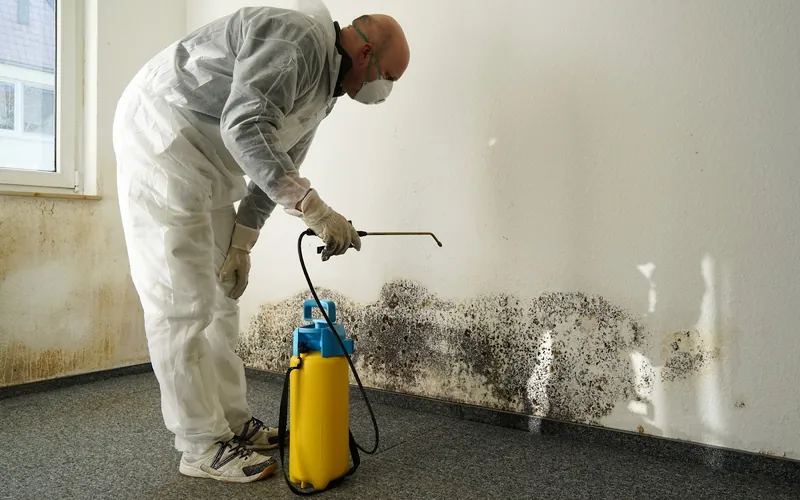
Mold is almost always the aftermath of water that was never fully dried. In our warm, humid Central Texas climate it can take hold within 24 to 48 hours of a leak, and once it is behind the drywall or under the flooring it will not clear on its own. Texas licenses this work, and our remediation runs under a TDLR Mold Remediation Contractor license, with containment, HEPA filtration, and proper removal. We are on site within the hour across Dale and Caldwell County.
How we handle mold remediation in Dale
Call & dispatch
A real person answers 24/7, gets your address, and rolls the nearest Central Texas crew with truck-mounted extractors, air movers, and moisture meters.
On-site assessment
We find the source and the full reach of the water, including what soaked into subfloor, cabinets, and the wall cavities you cannot see.
Extract & dry
We pull the standing water fast, then run air movers and dehumidifiers to a measured dry standard, not just the surface.
Verify & bill
We log moisture readings until the structure reads dry, then document the loss and bill your insurance carrier directly.
Why mold grows fast in Central Texas homes
Mold needs moisture, a food source, and time, and our climate supplies all three. Drywall, wood, and dust in every home are food, so moisture is the only variable a homeowner controls.
- Long, humid summers keep indoor moisture high, so a small leak becomes a mold problem faster here than in a dry climate.
- Any water that was not dried to a proper reading, from a slab leak, a roof leak, or an appliance line, leaves the damp that mold needs.
- Hidden spots like wall cavities, under flooring, and the back of cabinets stay damp and dark, which is exactly where mold prefers to grow.
The surest way to avoid mold is to dry water damage completely the first time through proper structural drying, which is why we push so hard on measured drying after any loss.
Finding hidden mold after a leak
The mold you can see is usually a fraction of what is there, hidden behind surfaces, so finding the full extent comes before any removal.
- A musty smell that will not go away is often the first sign of growth you cannot see yet.
- We trace the moisture source first, because removing mold without fixing the water it feeds on only buys a few weeks.
- We use moisture meters and inspection to map growth in wall cavities, under flooring, and around a past ceiling leak or water heater failure.
For plain homeowner references, the EPA guidance on mold cleanup and moisture and the state TDLR mold licensing pages explain how mold work is regulated in Texas and why moisture control comes first.
Our containment and remediation process
Remediation is really about controlling spores so they do not spread to clean parts of the home while we work. Our crew contains the space, runs HEPA air scrubbers, removes what cannot be saved, and dries the area to a verified reading before the containment comes down.
Licensed mold remediation and clearance
Texas is one of the few states that regulates mold work, which holds the job to a real standard instead of a promise, and we work within it.
- We remediate under a TDLR Mold Remediation Contractor license, alongside our IICRC training and EPA Lead Safe certification.
- For larger jobs, Texas rules separate the company that assesses the mold from the one that removes it, and we help you understand where a third party clearance fits.
- We document the work so you have a clear record, and you can estimate a range with our cost calculator before you call.
Musty smell or visible mold after a leak in Dale? Call now. Our TDLR licensed crew contains, removes, and dries it to a clean, verified standard, on site within the hour.
☎ Call (512) 555-0100Fix the water, or the mold comes back
The most common mistake around Dale and the Kyle to Buda corridor is scrubbing visible mold without fixing the moisture behind it. A wall that stays damp from a slow slab leak or unaddressed roof leak grows mold back within weeks in our humidity. Every remediation we do starts by stopping the water, then containing and removing the growth, so the fix holds through a Central Texas summer.
"We kept smelling something musty in a back room months after a small leak and finally called. They found mold spread through the wall we never opened up, sealed the room off so it would not get everywhere, and took it out the right way. What sold me was that they fixed the damp spot first, so it has stayed gone through the whole summer. Licensed, careful, and honest about the scope."
Adriana M. · San Marcos · August 2025
Why Dale and Caldwell County call us first
On site within the hour
A person answers 24/7 and the nearest crew rolls the moment you call, day or night, across Dale, Lockhart, Kyle, Buda, and San Marcos.
IICRC certified crews
Trained technicians with truck mounted extractors, air movers, and moisture meters, drying to a measured standard, not a mop and a box fan.
We bill your insurer
We document the loss with photos and readings and work with your carrier directly, so the paperwork is not left on you.
Built for Central Texas water
Flash floods off Plum Creek, freeze bursts, and slab leaks on Blackland clay, we know how water moves through homes here.
Serving Dale, Caldwell County, and the corridor
Seated near Dale on FM 1854, we respond across Caldwell County and the Kyle, Buda, and San Marcos corridor, day or night.
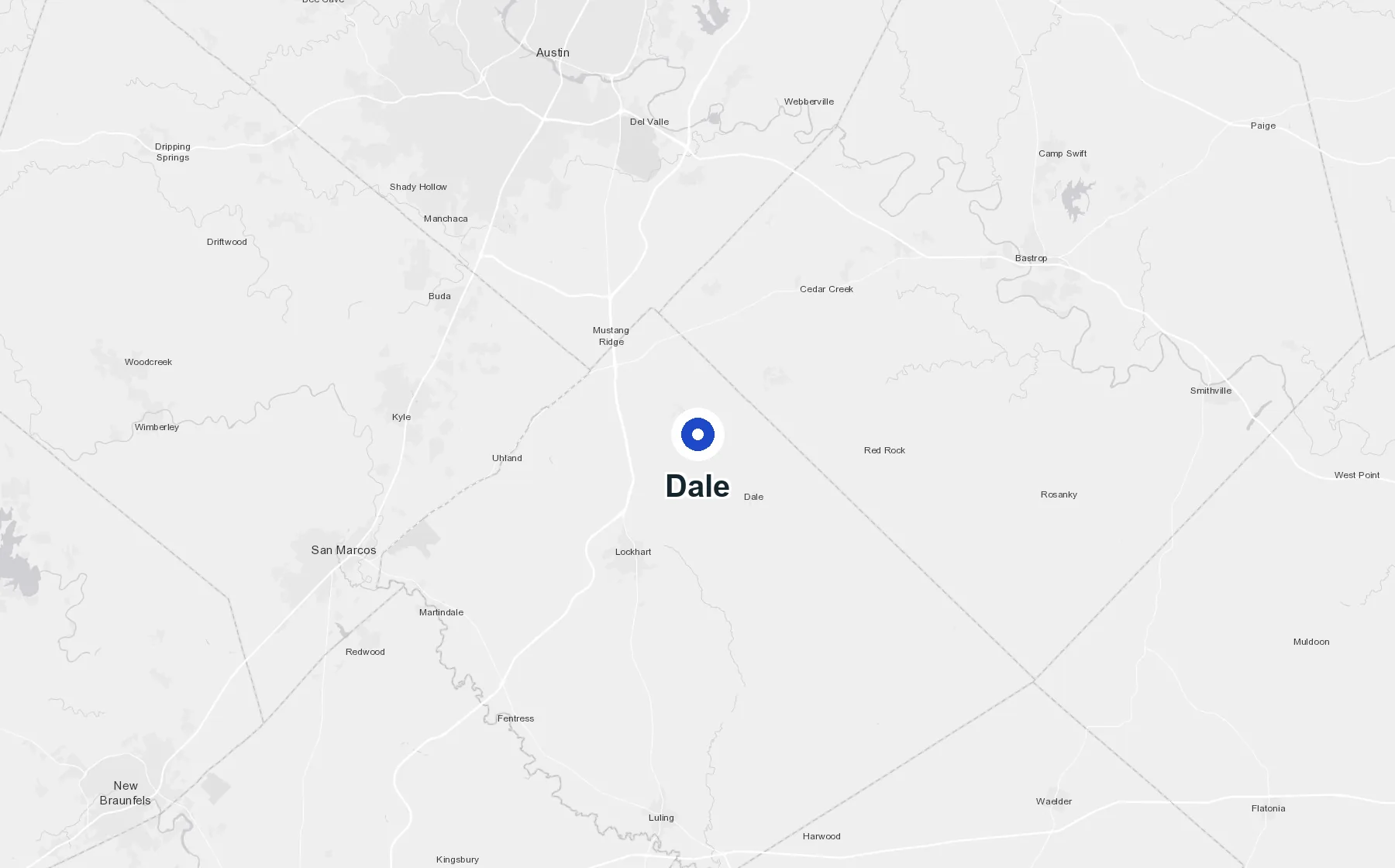
Seated near Dale on the FM 1854 corridor, our crews cover all of Caldwell County and the Kyle, Buda, and San Marcos corridor, day or night, and reach most homes within the hour.
We serve Dale, Lockhart, Kyle, Buda, San Marcos, Luling, Martindale, Maxwell, Niederwald, Uhland, Mustang Ridge, and Del Valle.
See every community and ZIP we serve ›Related restoration services
Common questions, answered
How fast can you respond to mold in Dale?
We answer live 24/7 and reach most of Dale and Caldwell County within the hour for the inspection. Mold spreads while it feeds on moisture, so the sooner we find the source and contain the growth, the smaller and less expensive the job stays.
Are you licensed to do mold work in Texas?
Yes. Texas regulates mold remediation through the Department of Licensing and Regulation, and we work under a TDLR Mold Remediation Contractor license, alongside IICRC training and EPA Lead Safe certification. Our license and certifications are listed in our credentials so you can see them before work begins.
Why does mold grow so fast in Central Texas?
Our long, humid summers keep indoor moisture high, and the drywall, wood, and dust in any home give mold a food source. That means a leak that would dry out harmlessly in a dry climate can become a mold problem here within a day or two if the water is not fully dried.
How do you find mold I cannot see?
A lingering musty smell is often the first clue. We trace the moisture source and use meters and inspection to map growth in wall cavities, under flooring, and behind cabinets, because most mold after a leak is hidden. Removing only what is visible leaves the rest to spread.
How do you keep mold from spreading during removal?
Containment is the core of the job. We seal off the work area, run negative air and HEPA air scrubbers so spores do not travel into clean rooms, and remove affected material in sealed bags. That controlled setup is what separates real remediation from scrubbing a surface.
Will the mold come back after you remove it?
Not if the moisture is fixed. The most common cause of regrowth is removing mold without stopping the water feeding it, so every job starts by finding and drying the source. Handled that way, the remediation holds through our humid season instead of returning in weeks.
Do I need a separate mold inspection or clearance?
For larger jobs, Texas rules generally separate the party that assesses the mold from the one that removes it, and a third party clearance confirms the work. We help you understand when that applies to your situation and coordinate so the process is clean and documented.
Does insurance cover mold remediation?
It depends on the cause. Mold that results from a sudden, covered water loss is often covered, while mold from a long neglected leak may be limited or excluded. We document the source and the work and coordinate with your carrier so you know what to expect.
Dale's water damage crew is standing by
Water sitting means damage spreading. Call Lone Star Water Restoration and a local crew is on the way, on site within the hour across Caldwell County.
(512) 555-0100Talk to a Central Texas crew now, day or night